
Scrotum rings and cock-and-ball rings are often talked about casually online. They’re marketed as simple pleasure tools—something you can slip on to feel heavier, fuller, or more sensitive during sex or edging. But when you dig into real experiences, especially long-term ones, a more complicated picture starts to appear.
So, are scrotum rings safe?
The honest answer is: they can be—but only when used carefully, briefly, and with the right expectations. Used incorrectly, they can also cause real problems that people don’t talk about enough.

What Scrotum Rings Actually Do (And What They Don’t)
A scrotum ring sits behind the testicles, sometimes including the shaft, depending on the design. Most users report sensations like:
-
A heavier, lower hang
-
Mild pulling or tugging
-
Increased awareness or sensitivity
-
A visual “fuller” look
What’s important to understand is how these sensations happen. Scrotum rings don’t magically increase pleasure—they work by applying pressure. Even when that pressure feels mild, it still affects blood vessels and nearby nerves.
That doesn’t automatically mean danger—but pressure always deserves respect.
The Part Most People Don’t Think About: Nerves vs. Blood Flow
Online advice often focuses on blood flow:
“If it’s not turning blue, you’re fine.”
That’s incomplete.
Nerves run right alongside blood vessels. When you compress one, you affect the other. Even if circulation doesn’t seem fully cut off, nerve compression can still happen quietly, without sharp pain.
Several real-world accounts show a common pattern:
-
No major pain during use
-
Reduced sensation that feels “normal” at the time
-
No immediate injury
-
Sexual changes weeks or months later
This is what makes scrotum rings tricky. Damage—if it happens—isn’t always obvious right away.
Time Matters More Than People Realize
Many people assume that “stretchy silicone” equals safety. It doesn’t.
Stretchy materials can still apply constant pressure, and nerves don’t recover instantly when pressure is removed. Compression effects can accumulate, even if you take breaks or follow time guidelines.
A common recommendation you’ll see is 20–30 minutes max. That guideline exists mainly to reduce circulation issues—not necessarily nerve compression.
Longer sessions, edging for extended periods, or falling asleep with a ring on significantly increases risk.
Shop the Best Vibrating Penis Ring from Anesidora
Example product title
Sale price
$0.00 USD
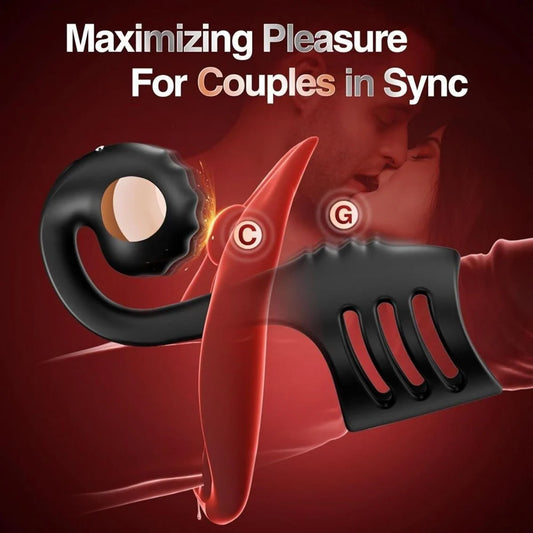
Snail Armor Sex Toy Vibrating Cock Ring
$36.99 USD
Sale price
$33.29 USD
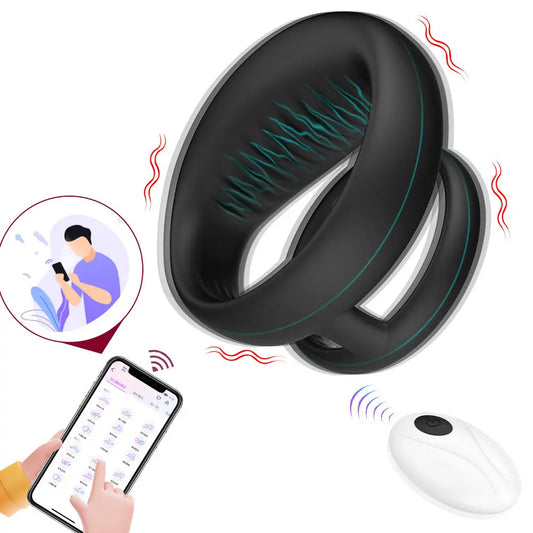
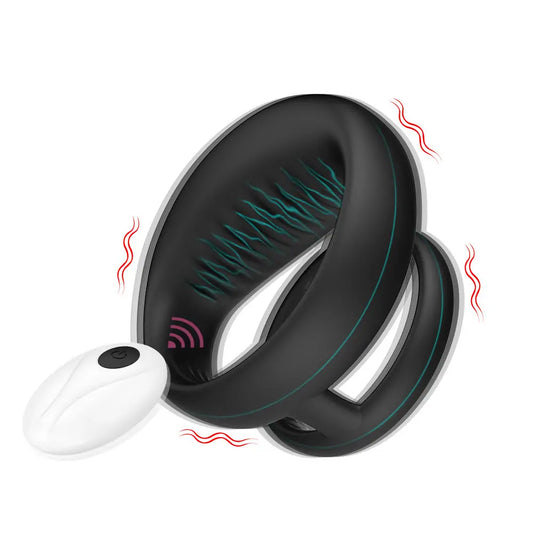
Vibration Cock Double Ring Couple Pleasure
$45.99 USD
Sale price
$41.39 USD
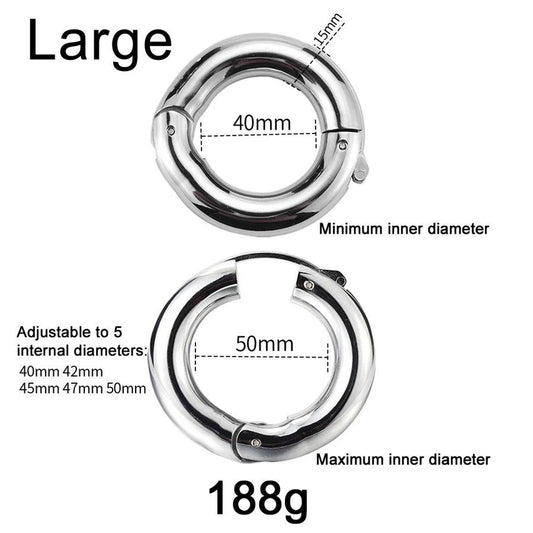
Adjustable Metal Penis Ring Stainless Steel
$26.99 USD
Sale price
From $24.29 USD


Tightness Is the Biggest Risk Factor
One of the most consistent red flags across real experiences is incorrect sizing.
Problems tend to happen when:
-
The ring feels “snug but not painful”
-
Sensation becomes noticeably reduced
-
Color changes happen in low light and go unnoticed
-
The wearer has no reference point for what “too tight” feels like
Pain is not a reliable warning sign. Numbness, tingling, or reduced sensation are often earlier indicators that something isn’t right.
If a ring is tight enough to dramatically alter color or sensation, it’s too tight—period.
Scrotum Rings and Fertility: A Real Concern
If you plan to have children, this deserves special attention.
The testicles are sensitive to:
-
Temperature changes
-
Pressure
-
Restricted movement
Extended compression around the scrotum may interfere with:
-
Normal sperm transport
-
Ejaculation dynamics
-
Inflammation in surrounding tissue
Some men have reported lingering discomfort or inflammation after ejaculating while wearing scrotum-involving rings. While not everyone experiences this, it’s a reminder that these aren’t risk-free toys, especially when used repeatedly.
Anxiety vs. Physical Effects: Both Can Be Real
One reason this topic is so confusing is that physical sensations and anxiety feed into each other.
Some people recover fully after stopping use. Others experience temporary issues that improve over months. In some cases, anxiety amplifies every sensation, making it hard to tell what’s physical and what’s psychological.
The key takeaway isn’t “it’s all in your head” or “it’s always physical.”
It’s this: if something feels off and doesn’t resolve, stop using the ring and get checked.
Ignoring symptoms or continuing “just to test it” is how minor irritation becomes something more serious.
Safer Use Guidelines (If You Choose to Use One)
If you’re going to use a scrotum ring anyway, here’s how to reduce risk:
-
Choose very soft, wide, flexible silicone
-
Avoid narrow or rigid designs
-
Start loose—looser than you think necessary
-
Limit wear time (short sessions, not edging marathons)
-
Never sleep with it on
-
Remove immediately if sensation drops or color changes
-
Don’t ejaculate with intense constriction
-
Take long breaks between sessions (days, not hours)
And most importantly: if you don’t need it, don’t treat it casually.

Are Scrotum Rings “Worth It”?
That depends on what you’re looking for.
If you’re chasing novelty or visual enhancement, there are lower-risk ways to explore sensation. If you’re using a ring to manage erection difficulties, medical-grade guidance matters far more than novelty toys.
Scrotum rings aren’t inherently evil—but they’re also not harmless accessories.
Check Our Best Seller :
Final Thoughts: Respect the Tool
So, are scrotum rings safe?
They can be, when:
-
Used briefly
-
Used loosely
-
Used intentionally
-
Used with full awareness of the risks
Problems tend to arise when they’re treated as casual toys instead of pressure devices that interact directly with nerves and blood flow.
For More Please Read :