
Foreplay is often talked about as something that happens right before sex—but in real relationships, it’s usually much broader than that.
Many couples discover that what actually builds desire isn’t just physical touch, but timing, emotional context, and how both partners feel throughout the day.

Quick Answer: What Are the Best Foreplay Ideas for Couples?
- Build emotional connection before physical touch
- Use non-sexual affection throughout the day
- Focus on reducing stress before increasing arousal
- Let physical intimacy develop gradually, without pressure
- Remove the expectation that everything must lead to sex
If one partner has more responsive desire, the key is simple:
👉 You have to rethink what foreplay actually means.
What Foreplay Really Is (And What It Isn’t)
A common misconception is that foreplay equals kissing, oral sex, or direct sexual touching.
In reality, many people—especially in long-term relationships—don’t experience those acts as “warm-ups,” but as sexual activity itself.
For some, foreplay starts long before anything physical:
- Feeling emotionally safe
- Being relaxed and not overwhelmed
- Experiencing affection without pressure

👉 If someone isn’t mentally ready, even gentle touch can feel intrusive rather than arousing.
For example, one partner might initiate with kissing at night,
while the other is still mentally stuck in work stress or daily responsibilities.
That doesn’t mean traditional foreplay is wrong—it just means timing and context matter more than the act itself.
Why Foreplay Matters More for Some Couples
In couples where one partner has lower or responsive libido, desire often works like this:
- It builds gradually, not instantly
- It depends heavily on stress levels
- It’s influenced by emotional connection
From what I’ve seen, one pattern shows up often:
👉 People focus on what to do physically,
instead of how their partner feels overall.
If someone is exhausted or mentally preoccupied, even the “best” technique may not work—and can even backfire.
Foreplay Starts Outside the Bedroom (Why It Matters for Couples)
One of the most effective approaches is non-sexual connection earlier in the day:
- A long hug before leaving
- A thoughtful message
- Small gestures of care

These don’t create instant arousal—but they build closeness.
Limitation:
If these always lead to sex, they can feel transactional.
Non-Sexual Touch: A Powerful Foreplay Technique
Instead of going straight to sexual areas:
- Try light massages
- Run fingers along arms or hair
- Sit close without expectation
👉 Touch is not a “step toward sex”—it’s its own experience.
Some couples also use warm oils or slow, rhythmic touch to help the body relax and stay present.
Potential downside:
If it feels like a setup, your partner may stay guarded.
Reduce Stress Before Increasing Arousal
For many people, this is the real starting point:
- Helping with daily tasks
- Giving space to decompress
- Listening without fixing

Desire often appears after stress drops.
Important:
This is not a trade for intimacy.
A Note on Different Experiences of Desire
While every person is different, some patterns appear more often in relationships.
For many women, desire tends to be more closely connected to emotional context, stress levels, and feeling mentally present.
For many men, physical arousal can happen more quickly—but that doesn’t always mean emotional readiness is there at the same time.
👉 This difference can sometimes create misunderstanding,
where one partner feels “not ready,” while the other feels “rejected.”
Understanding this gap isn’t about labeling—it’s about avoiding misinterpretation.
Build Gradual Physical Escalation (Without Pressure)
Instead of thinking in terms of “steps,” it can help to think in terms of pace and response. The key is not where you touch first—but how quickly you move and whether your partner feels comfortable staying in that moment.
Once your partner feels more open, you can let things shift naturally:
-
Start with the basics: A long hug from behind or letting your hands rest on their shoulders or back a little longer than usual.

-
Expand the sensory map: Move gradually from neutral areas to more sensitive ones—like the back of the neck, the inner arms, or the upper thighs.

-
Pause and read: Pause often to see how your partner responds.
-
👉 If they lean in or relax, you can slowly continue.
-
👉 If they seem distant or still, slowing down works better than doing more.
-
This kind of pacing turns touch into something mutual. For some couples, this is also where physical intimacy doesn’t have to rely on hands alone. When both partners are comfortable, certain toys can be introduced as part of foreplay—not to rush things, but to support a slower, more controlled build. The key remains the same: 👉 No pressure, no expectation—just something to explore together if it feels right.
Featured Products
Honey Pistil 3-in-1 Suction & Tongue Vibrator
$64.99 USD
Sale price
$58.49 USD
Vibrating C Ring Long Distance Control
$36.99 USD
Sale price
$33.29 USD
Bondage Leather Strap Sexy Lingerie Set
$23.99 USD
Sale price
From $21.59 USD
Rose Style Vibrating Finger Dildo
$44.99 USD
Sale price
$40.49 USD

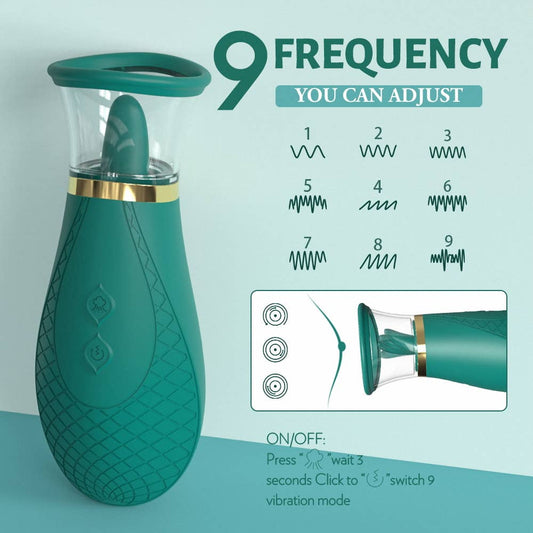





If you would like to browse more sex toys, please visit Anesidora.
Explore Playfulness Instead of Pressure
Foreplay doesn’t have to feel serious:
- Playful teasing
- Light wrestling
- Dancing together
This removes pressure and makes connection feel natural.
Communicate Directly (Without Making It Awkward)
At some point, guessing stops working.
Try asking:
“What helps you relax before getting close?”
Simple questions can open real conversations.
If Starting the Conversation Feels Awkward, Try This
For many couples, the hardest part isn’t understanding the issue—it’s knowing how to begin the conversation without making things uncomfortable.
Softer, low-pressure openings tend to work better:
- “Is there something that helps you relax before we get close?”
- “I’ve been thinking about how we connect lately—what feels good for you right now?”
- “Do you feel like timing affects how you get in the mood?”
These kinds of questions invite your partner instead of putting them on the spot.
👉 The goal isn’t to get a perfect answer.
It’s to make the conversation feel safe enough to happen.
Remove the Pressure to “Finish”
👉 Let intimacy exist without needing to lead to sex.
When pressure disappears:
- People relax
- Desire builds naturally
- Touch feels enjoyable again
Reality check:
This takes patience.
Common Mistakes That Undermine Foreplay
- Treating it like a checklist
- Moving too fast
- Ignoring emotional state
- Assuming consistency
Desire changes constantly.
What Foreplay Can—and Can’t—Fix
Foreplay helps—but it’s not everything.
It won’t fix:
- Major libido mismatches
- Relationship tension
- Chronic stress
In some cases, trying harder can even make things worse—especially if pressure is already present.
Final Thoughts
The best foreplay ideas aren’t the most technical.
They’re the ones that match how your partner actually experiences desire.
For many couples, the shift looks like:
- From performance → connection
- From urgency → patience
- From guessing → understanding
👉 Foreplay isn’t just what you do—it’s how you make your partner feel before anything begins.