
Quick Answer (For Readers in a Hurry)
A chastity cage is a device worn over the genitals—most often a penis—to limit sexual stimulation or erections. It is commonly used for consensual kink, self-control, or personal comfort, and is not tied to gender identity.
What Is a Chastity Cage?
A chastity cage is a wearable device, usually designed for people with a penis, that physically restricts access to the genitals. Most designs enclose the shaft and sometimes the testicles, using a locking mechanism that prevents removal without a key or release tool.

Although they are often portrayed as extreme or mysterious online, chastity cages are not medical devices and are not inherently linked to any specific identity, sexuality, or lifestyle. In practice, they are used either within consensual sexual dynamics or for personal behavioral reasons, depending on the individual.
What Is a Chastity Cage Used For?
People use chastity cages for different reasons, and the experience can vary significantly from one person to another.
Sexual Control and Kink (BDSM Context)
In BDSM or kink dynamics, chastity cages are commonly used for orgasm control, tease and denial, or power exchange. The person wearing the cage consensually gives control over sexual release to a partner, often referred to as a “keyholder.”
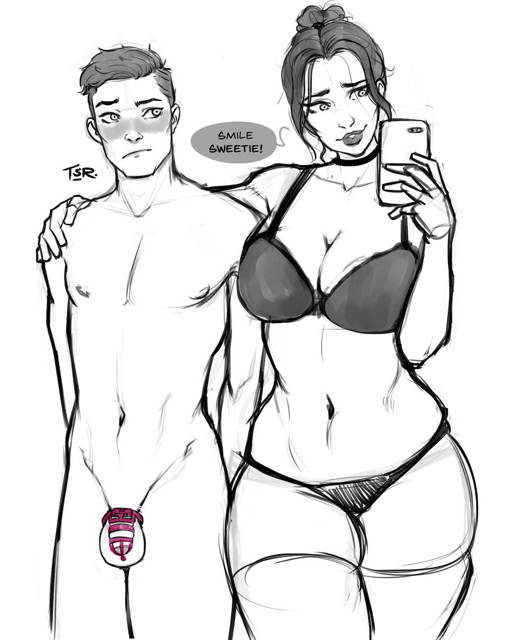
In many cases, the appeal is more psychological than physical. Community discussions frequently note that anticipation, frustration, and loss of control play a larger role in arousal than the physical restriction itself.
An important limitation:
Despite popular myths, most chastity cages are not truly inescapable. Without piercings or extreme custom designs—which many users intentionally avoid—most devices can be removed with sufficient effort or tools. This means their effectiveness is largely symbolic and dependent on consent rather than absolute physical restraint.
Personal Self-Control or Habit Management
Some people wear chastity cages without involving a partner. Common motivations include reducing compulsive masturbation, experimenting with delayed gratification, or limiting sexual distraction during daily life.
(mh=Pdi86tQtSGYmu4Jc)14.jpg)
Reports from online forums suggest that while this approach works for some individuals, others find it mentally distracting or physically inconvenient over time. For many first-time users, the concept of chastity can feel more appealing than the long-term reality of wearing a device.
Why Are Chastity Cages Sometimes Associated With Trans People?
This association often comes from online discussions, visual media, and adult content rather than real-world usage patterns.
Chastity cages are not a “trans thing.”
Most users are not transgender, and many cisgender men use them.
That said, some transgender women or transfeminine people choose to wear chastity devices for personal comfort reasons, such as:
-
Reducing erections that may cause dysphoria
-
Minimizing interaction with their genitals
-
Creating a smoother or less prominent appearance under clothing

In these cases, the device is not used for sexual control at all, but as a way to manage how the body feels or looks. It is equally important to note that many trans people do not use chastity cages and may actively dislike them.
Linking chastity cages exclusively to trans identity is inaccurate and largely driven by stereotypes shaped by fetish-focused media.
How Does a Chastity Cage Actually Work?
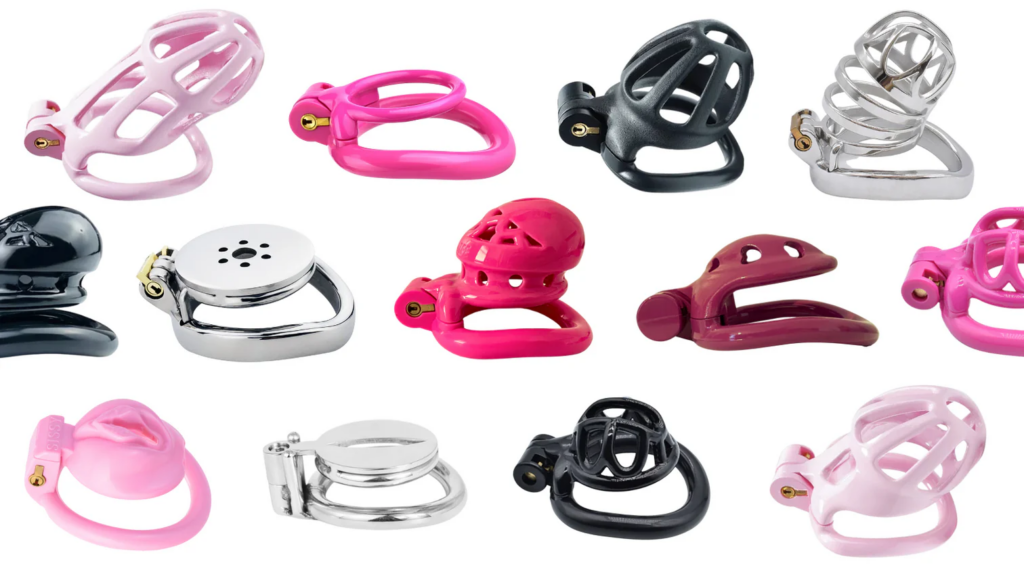
Most chastity cages include:
-
A base ring worn behind the scrotum
-
A cage or tube that encloses the shaft
-
A locking mechanism (metal, plastic, or integrated)
The device limits full erections by restricting available space, but it does not completely block blood flow. Improper sizing or low-quality materials can cause pinching, numbness, or circulation issues.
This discomfort is one of the most common reasons people discontinue use after initial experimentation.
Safety, Fit, and Hygiene Considerations
Chastity cages can be worn safely, but most problems arise from poor fit, extended wear, or ignoring discomfort.
For readers who want a clearer understanding of proper sizing, fit, and basic handling, a separate guide on how to put on a chastity cage can help reduce common beginner mistakes.
Common considerations include:
-
Incorrect sizing leading to pressure or chafing
-
Hygiene challenges during long-term wear
-
Swelling, numbness, or discoloration if circulation is affected
-
The need for regular cleaning and rest periods
Any persistent pain, loss of sensation, or noticeable color change should be treated as a signal to remove the device immediately. Most negative effects are reversible when addressed early.
Common Misconceptions About Chastity Cages
“They completely stop arousal.”
Not true. Many users still experience arousal; the device mainly changes how it is expressed.
“They’re only used for fetish content.”
While common in kink spaces, some people use them for non-sexual or personal comfort reasons.
“They’re unsafe by default.”
They can be worn safely, but risk increases with poor fit, prolonged wear, or ignoring warning signs.
Downsides and Realistic Limitations
To present a balanced view, it’s important to acknowledge the drawbacks:
-
Comfort issues: Long-term wear may cause chafing or soreness
-
Limited security: Many devices can be removed with patience or tools
-
Daily inconvenience: Urination, sleep, exercise, and clothing may be affected
-
Psychological strain: Restriction can become frustrating rather than pleasurable
Chastity is not universally enjoyable. Many people try it once and decide it does not suit them, which is a valid and common outcome.

Is Wearing a Chastity Cage “Normal”?
There is no single definition of “normal” when it comes to sexuality or body autonomy.
Chastity cages are a niche but established part of sexual culture. Some individuals find them meaningful or helpful, while others find them unnecessary or uncomfortable. Both responses are reasonable.
What matters most is consent, safety, and personal comfort, not meeting an external expectation or label.
Related Devices for Reference
Wearable Vibrating Chastity Cage with App
$59.99 USD
Sale price
From $53.99 USD
Sevanda Naja-Cobra Chastity Cage Black L
$42.99 USD
Sale price
From $38.69 USD
QIUI Smart Metal Chastity Cage
$127.99 USD
Sale price
From $115.19 USD
Vibrating Smart Male Chastity Cage
$52.99 USD
Sale price
From $47.69 USD


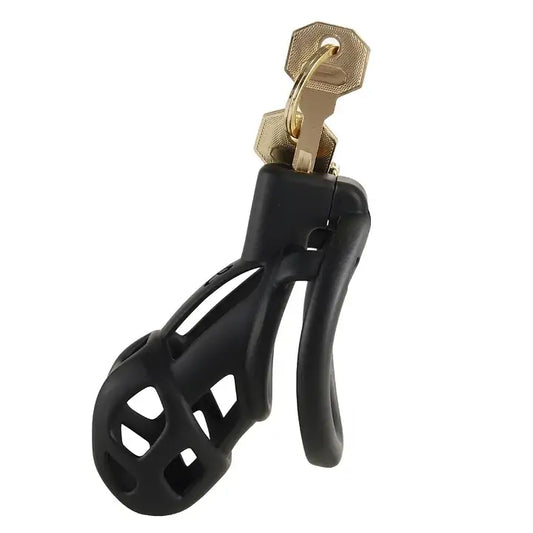



Interested readers can find more chastity cage devices in the Anesidora series.
Concise FAQ
Is a chastity cage permanent?
No. It is a removable device, although some designs are more difficult to remove than others.
Do you need a partner to use one?
No. Some people use chastity cages alone, others with a partner.
Are chastity cages only for men?
Most are designed for people with penises, but usage is not limited by gender identity.
Can a chastity cage affect health long-term?
There is limited long-term research. Most risks are associated with improper fit or excessive wear rather than the device itself.
Can they be dangerous?
They can be if poorly fitted or worn too long without breaks. Discomfort should never be ignored.