
Quick Answer
Rope play is a BDSM activity that uses rope for restraint, sensation, artistic expression, or power exchange. It can provide physical stimulation, psychological excitement, feelings of vulnerability, or a sense of trust between partners. Rope play ranges from simple wrist or ankle ties to decorative harnesses and advanced shibari. Beginners should focus on communication, consent, and safety before attempting complex techniques.

What Is Rope Play?
Rope play involves consensual use of rope for BDSM, kink, or intimate exploration. Simple forms may involve lightly tying wrists or ankles. Advanced forms include decorative harnesses, shibari, or even suspension bondage. Rope can be used for:
- Physical restraint
- Sensation play
- Psychological power exchange
- Artistic expression
- Emotional connection
For many, rope becomes more than a tool—it’s a form of communication between partners.

Why People Enjoy Rope Play
Physical Sensations
Natural ropes like jute or hemp have rough textures that can stimulate the skin. The pressure from a tight tie or the sliding of rope can be highly arousing. Some participants report intense pleasure or relaxation shortly after being tied. Not everyone enjoys this; some may find rope uncomfortable or distracting.
Psychological Experience
Rope play often engages trust and vulnerability. Being tied can make a submissive feel secure, focused, or emotionally connected. Some compare it to meditation because it encourages mindfulness. Anxiety or claustrophobia can occur, so communication and consent are essential.
Power Exchange
Rope can express dominance and submission. A submissive may enjoy helplessness while the rigger enjoys guiding and caring. Rope play can also be purely artistic or sensual without power dynamics.

Why Riggers Enjoy Rope Play
Riggers enjoy the craftsmanship of tying rope. Creating a functional harness requires:
- Attention to rope placement and tension
- Symmetry and comfort
- Observing the partner’s reactions and safety
Many describe it as an art form. Close proximity and attention foster strong connection and trust.
Types of Rope Play
- Simple Restraints: Wrist or ankle ties, bed restraints, or basic cuffs. Low risk and ideal for beginners.
- Decorative Bondage: Body harnesses for photography, roleplay, or personal expression. Focuses on aesthetics.
- Sensation Play: Rope drags along the skin to create pleasurable or intense sensations without immobilization.
- Shibari/Kinbaku: Japanese rope traditions emphasizing pattern, aesthetics, and emotional intensity.
- Suspension: Lifting part or all of the body with rope. High risk; only for experienced practitioners.

Rope Play vs Bondage Restraint Sets
While rope is one of the most traditional tools used in BDSM, many beginners today start with bondage restraint sets instead.
Rope offers unmatched flexibility and allows for decorative harnesses, shibari patterns, and customized restraint styles. However, learning rope bondage requires practice, knot knowledge, and an understanding of circulation and nerve safety.
Bondage restraint sets provide a simpler alternative. Adjustable wrist cuffs, ankle restraints, and under-bed systems can often be secured in seconds without learning complicated knots. For couples who want to explore restraint for the first time, they can be a more beginner-friendly option.
That said, restraint sets cannot fully recreate the unique sensations, aesthetics, and emotional experience that many rope enthusiasts enjoy. Rather than replacing rope play, they simply offer another way to explore consensual bondage.
Soft Cotton Bondage Rope Collar Set
$37.99 USD
Sale price
$34.19 USD
Crimson Desire Leather Bondage Harness Set
$59.99 USD
Sale price
$53.99 USD
Adjustable BDSM Position Restraint Set
$44.99 USD
Sale price
$40.49 USD
BDSM Testicular Electric Pulse Harness Ring
$64.99 USD
Sale price
From $58.49 USD

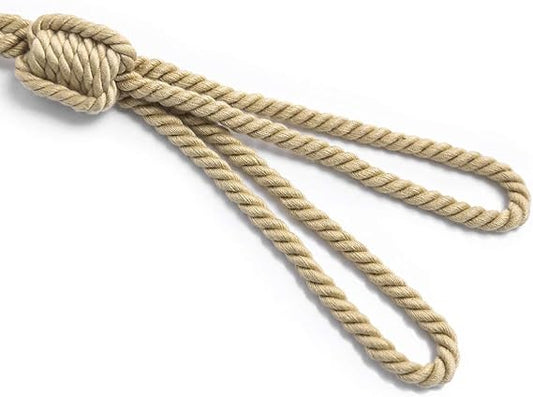

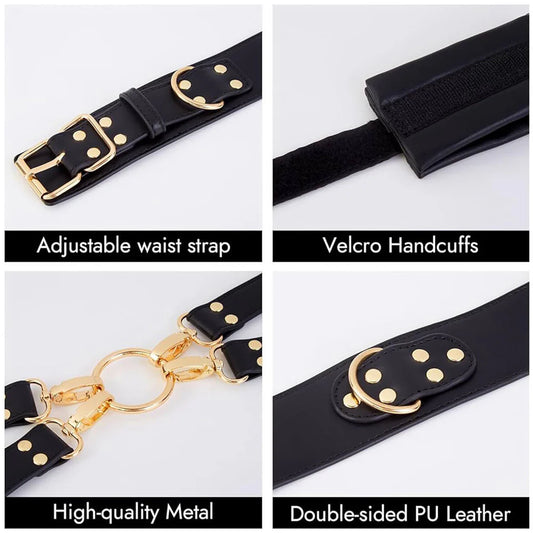

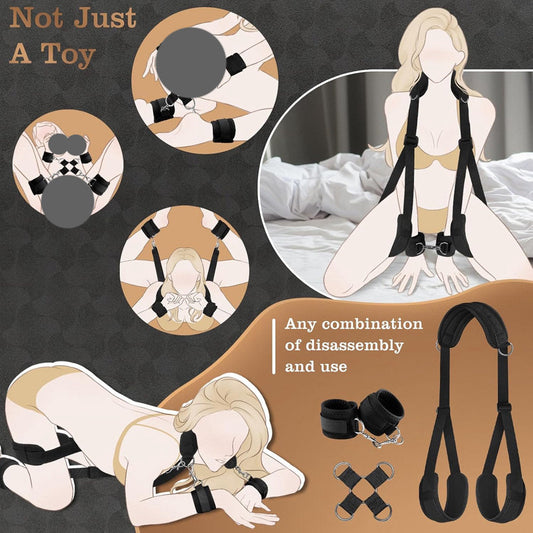

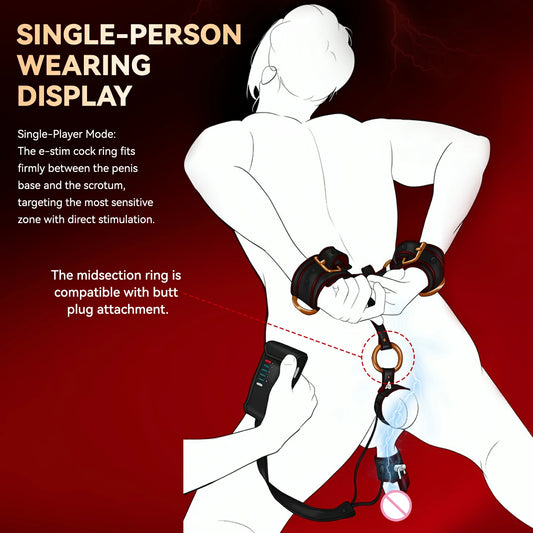
If you would like to view more bondage toys, please visit Anesidora.
Rope Types
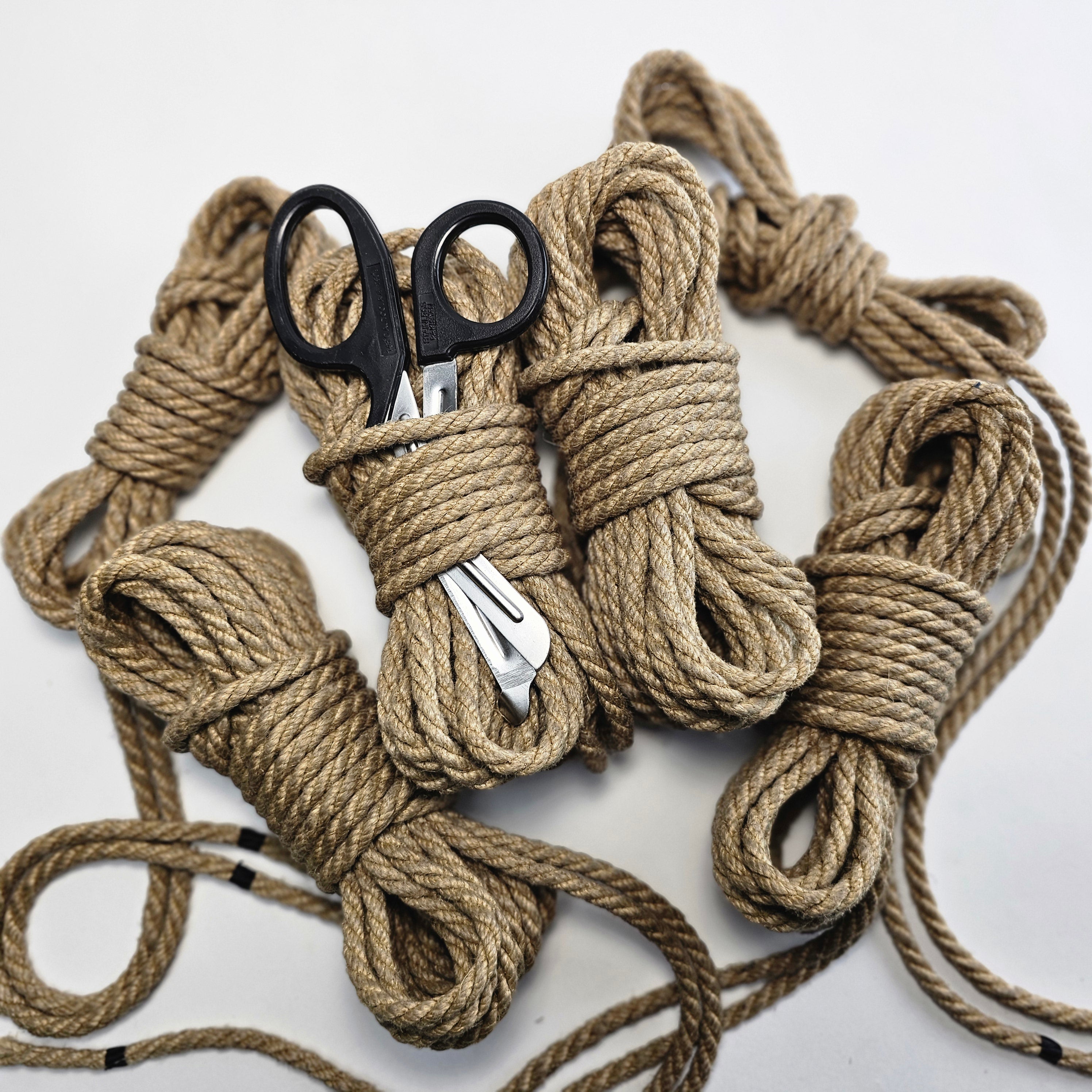
Natural Fiber Ropes
- Examples: Jute, hemp, cotton, linen
- Pros: Good grip, traditional look
- Cons: Can irritate skin, require care, weaker than synthetic ropes
Synthetic Ropes
- Examples: Nylon, polyester, polypropylene
- Pros: Strong, durable, easy to clean
- Cons: Slippery, more prone to rope burn, less tactile feel
Beginners often start with soft cotton or hemp for easier handling and better control.
Safety Tips
Rope play can be safe if practiced responsibly:
- Check circulation and nerve safety regularly
- Keep safety shears nearby
- Communicate constantly
- Avoid suspension for beginners
Common risks include rope burns, circulation issues, nerve compression, or falls.
Common Beginner Mistakes
- Rushing: Trying complex ties too soon
- Ignoring communication: Not monitoring the person being tied
- Using inappropriate rope: Wrong diameter or material can cause discomfort
Conclusion
Rope play is a versatile BDSM activity combining restraint, sensation, artistry, and trust. Its appeal ranges from physical pleasure to emotional intimacy. Beginners should start simple, focus on safety, and explore gradually. The best rope experiences are built on consent, communication, and mutual trust.
FAQ
Is rope play always sexual?
No. Some people practice rope for artistic, emotional, or meditative purposes.
What’s the difference between rope play and bondage?
Bondage is a general term for restraint. Rope play specifically uses rope and may include sensation or decorative tying.
Which rope is best for beginners?
Soft cotton or hemp ropes are easier to handle than slippery synthetics.
Is suspension safe for beginners?
No. Suspension has higher risks and requires experience.
Can rope play cause injuries?
Yes. Improper placement can lead to circulation issues, nerve compression, or rope burns.
You May Also Read: