
Quick Answer
Soft bondage is a gentle form of BDSM that focuses on comfort, trust, and emotional connection rather than pain, fear, or humiliation. It often includes light restraints, sensory play, and playful power exchange, making it ideal for beginners or anyone who wants intimacy with a kinky edge—without pushing into extreme territory.
What Does “Soft Bondage” Actually Mean?
Soft bondage is part of the broader world of BDSM, but it sits on the gentler end of the spectrum. Instead of focusing on pain, punishment, or humiliation, soft bondage emphasizes control, anticipation, and sensation in a way that feels safe and emotionally connected.
Many people are curious about BDSM but feel unsure about pain or extreme power dynamics. Soft bondage gives you a way to explore restraint and dominance without crossing into territory that feels intimidating or uncomfortable.
Think of it less as “how much can I take?” and more as “how does this make us feel together?”

Why People Are Drawn to Soft Bondage
There are a few common reasons people gravitate toward soft bondage instead of harder BDSM styles:
-
They enjoy intimacy and closeness more than pain
-
They want to explore trust and vulnerability safely
-
They like the mental excitement of control and surrender
-
They’re new to BDSM and want a low-pressure entry point
Soft bondage often feels playful, caring, and deeply connected. For many couples, it strengthens communication and emotional trust rather than replacing it with fear or endurance.
Soft Bondage vs. “Hard” BDSM
There’s no universal line between “soft” and “hard” BDSM—but risk, intensity, and intention usually make the difference.
Soft bondage usually includes:
-
Comfortable restraints that don’t strain the body
-
Positions that feel relaxing or erotic, not painful
-
Power exchange limited to the scene or bedroom
-
Sensations that tease rather than overwhelm
Harder BDSM may include:
-
Strained positions or long-term restraint
-
Heavy impact play or intense pain
-
Extreme power exchange (24/7 or total control)
-
Activities with higher physical or emotional risk
What matters most is how it feels to the people involved, not how it looks from the outside.
Many people start with beginner BDSM gear because it allows exploration of control, trust, and sensation without pain or intimidation.
Featured Products
Adjustable BDSM Position Restraint Set
$44.99 USD
Sale price
$40.49 USD
Leather Bondage Handcuffs Soft Padding
$24.99 USD
Sale price
$22.49 USD
Leopard Print Adjustable Bondage Harness
$42.99 USD
Sale price
$38.69 USD
Black Bdsm Bondage Handcuffs Premium Quality
$24.99 USD
Sale price
$22.49 USD

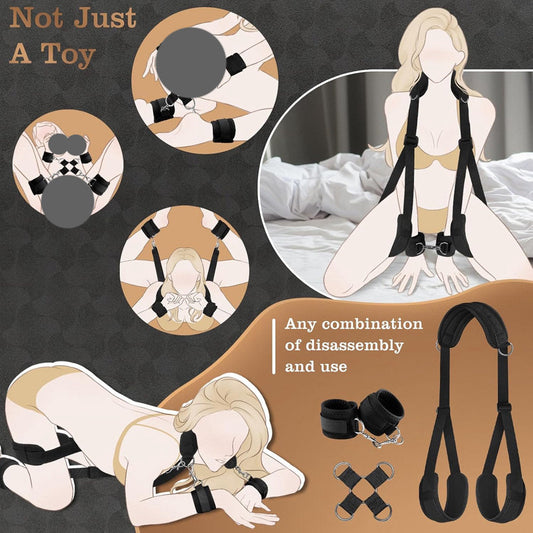

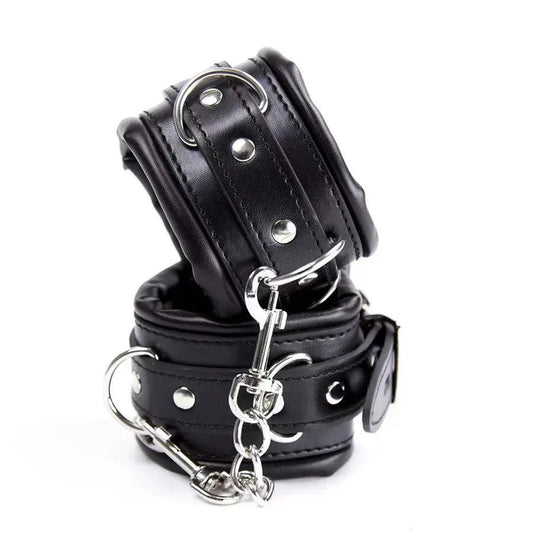

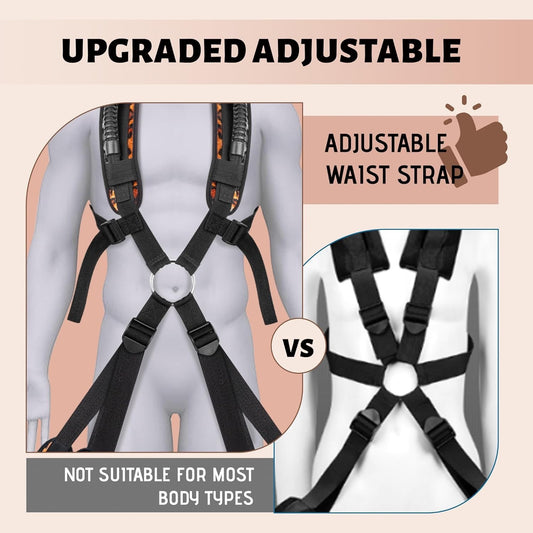

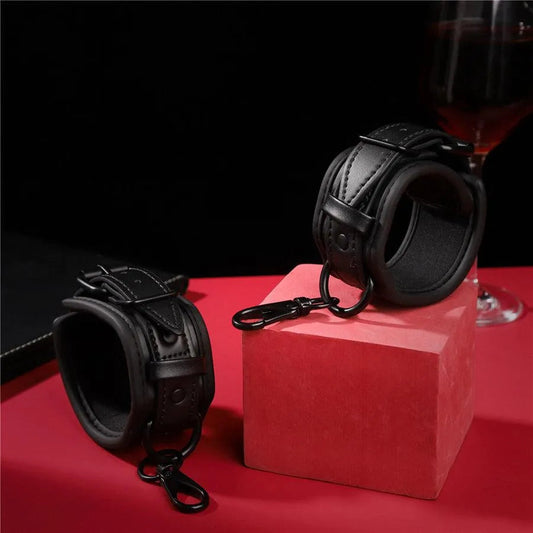
Common Soft Bondage Styles and Dynamics
Soft bondage isn’t one single thing—it covers many styles of play that overlap and blend together.
Gentle Power Exchange (D/s)
In soft bondage dynamics, dominance is often nurturing rather than harsh. The dominant leads, directs, and sets the tone, while the submissive follows willingly.
This can include:
-
Giving simple instructions
-
Setting playful rules
-
Using praise and reassurance
-
Encouraging relaxation and trust
Many people describe this as feeling cared for rather than controlled.
Pleasure-Focused Domination
Some dominants focus on pleasure and denial instead of punishment. The control comes from deciding when and how pleasure happens.
Examples include:
-
Light restraints combined with teasing
-
Edging and delayed release
-
Using touch, toys, or voice to build anticipation
The intensity is emotional and mental, not painful.
Soft Bondage Restraints
Bondage itself looks very different in soft play. Instead of harsh rope or extreme positions, it often involves:
-
Silk scarves or fabric ties
-
Padded cuffs or under-the-bed restraints
-
Hands gently bound above the head or behind the back
-
Poses meant to feel restful or sensual
Some people even describe soft bondage scenes as meditative.
If you’re curious about trying soft bondage in a practical way, exploring soft bondage restraints can help you understand how gentle control feels in real use—without jumping into intense gear.

Sensory Play and Light Deprivation
Soft bondage often pairs restraint with mild sensory play:
-
Blindfolds to heighten touch
-
Feathers, makeup brushes, or fingertips
-
Warm oils or ice for temperature contrast
-
Music or noise-canceling headphones
These sensations can feel intense without ever being painful.
Is Power Exchange Required?
No. Some soft bondage scenes include clear dominant and submissive roles, while others are more collaborative and playful.
You might:
-
Take turns being in control
-
Agree to restraint without hierarchy
-
Focus on sensation rather than authority
Soft bondage is flexible. You shape it to fit your relationship, not the other way around.
Safety and Consent in Soft Bondage
Even gentle bondage needs clear communication.
Good soft bondage practice includes:
-
Talking about boundaries beforehand
-
Using quick-release knots or easy-to-remove restraints
-
Checking in during and after the scene
-
Agreeing on a safe word or signal
Because soft bondage is low-risk, it’s often a great place to learn these habits before exploring anything more intense.
Is Soft Bondage “Real” BDSM?
Absolutely.
A common myth is that BDSM has to involve pain or extreme acts to “count.” In reality, BDSM is about consensual power, sensation, and emotional exchange—not how hard things look.
Soft bondage is just as valid, meaningful, and fulfilling as any other style of kink.
Who Is Soft Bondage Best For?
Soft bondage is especially popular with:
-
Beginners exploring BDSM for the first time
-
Couples wanting to deepen intimacy
-
People who dislike pain or humiliation
-
Anyone who values trust, comfort, and connection
Many experienced kinksters also prefer soft bondage because it allows deeper emotional play without physical strain.
Final Thoughts
Soft bondage isn’t about limits—it’s about intention. It shows that kink doesn’t have to be extreme to be exciting. Sometimes, the quiet tension of restraint, anticipation, and trust can feel more powerful than pain ever could.
If you’re curious about BDSM but unsure where you fit, soft bondage is often the most welcoming place to start.
Concise FAQ
Is soft bondage safe for beginners?
Yes. When done with communication and simple restraints, it’s one of the safest BDSM entry points.
Does soft bondage include pain?
Usually no. Discomfort is minimal or absent, and pleasure is the focus.
Can soft bondage still feel intense?
Yes—mentally and emotionally. Anticipation and control can feel very powerful.
Do I need special equipment?
No. Scarves, blindfolds, or basic padded restraints are enough to start.
Can soft bondage turn into harder BDSM later?
It can, but it doesn’t have to. Many people stay happily in soft play long-term.
If you want, I can also help you build internal links, category-safe descriptions, or a follow-up guide like Soft Bondage for Beginners or Light vs Medium vs Hardcore BDSM Explained.
You May Also Like :